Wednesday
Jan232013

Check, Please!, Check, Please! 


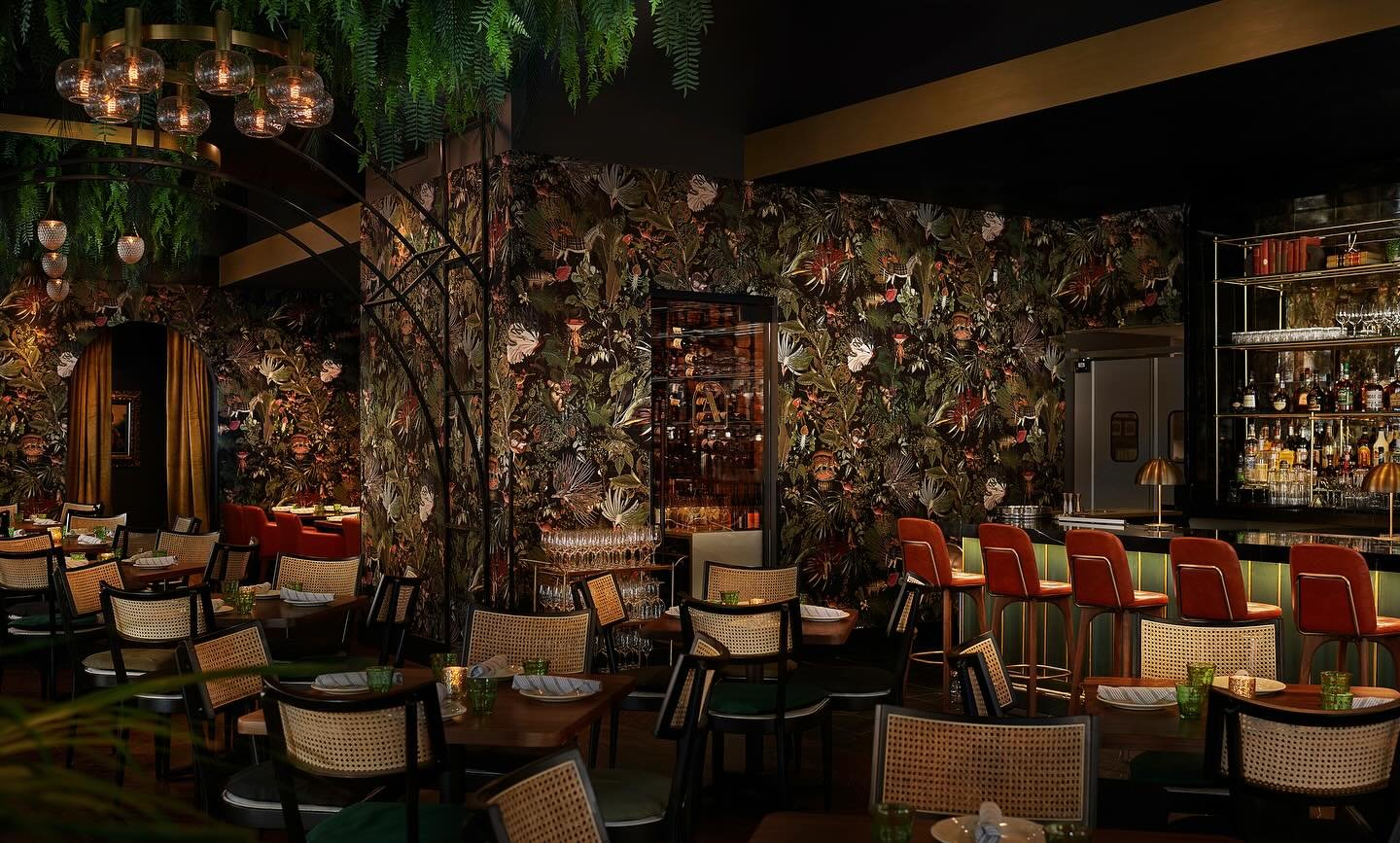
I moved to Chicago in 2000, and in twelve years I've had the great fortune and pleasure to play a number of roles in this excellent city I now call home: I've been a sommelier of an acclaimed restaurant; corporate wine director for a major restaurant group; and, of course, host of a TV show about restaurants you may have heard about. Often I've had to juggle several of these roles at the same time. Last year, I opened my own restaurant, The Boarding House. Being the owner and proprietor of a restaurant, to negotiate its four floors, two kitchens, and 500-bottle wine list and cellar, to train and manage its 100-person staff, seven days a week, is by far the most challenging, demanding, and rewarding thing I've ever done professionally. And, like with everything else I've been fortunate to be able to do in Chicago, I'm humbled by and grateful for the opportunity. I started the project with the intention of being as involved in the day-to-day operations as physically possible. It was important to me not to become one of those recognizable names you see on the door and never in the place when you come to dinner. I never wanted to make compromises in quality in the interest of expeditiousness, to make hasty decisions because I had other things to do and on my mind, to have to make the restaurant anything less than my sole priority. If I've learned anything from the many restaurants featured on Check, Please! over the last ten seasons I've been host of the show, it's that the details matter.

My restaurant has only been open a little over a month, and I can see already just how important it is for me to keep my work there my sole priority and professional responsibility. In order for me to be able to provide the best possible experience, to offer this city a restaurant like no other, I have to dedicate myself fully and completely to The Boarding House, its terrific staff, and its wonderful and lively guests. To this end, I've come to the bittersweet decision that this will be my last season as the host of Check, Please! Thank you to the show's creator David Manilow, Executive Producer VJ McAleer and the entire production team for the show at WTTW. You're a true cast of professionals and I'll count you as my dearest friends for life.

It's been a pleasure spending Friday nights with you for so many years, I thank you infinitely for your love and support, and I'll look forward to our next episode: pouring you a glass of wine at The Boarding House. Thank you.

Monday
Nov192012

Blackstone's Vintage Attraction

Charles diligently chronicling Santorini for what will someday become his Vintage Attraction

After being married to a writer for six years, I've come to the conclusion that there is very little fiction in fiction. Authors pull from their lives, and the people that surround them are fair game as points of insipiration for their stories. When I met my husband, he certainly enjoyed wine but really couldn't tell you the difference between Pinot Noir and peanut butter (to be fair, at one point, neither could I). Each year I visit two or three wine regions and probably taste well over one thousand wines, and Charles has been there for much of it since the inception of our relationship. The world of wine is rife with fascinating characters and situations, and for a writer like Charles, it was only time before he put pen to paper (or, rather, keyboard to screen) to capture these moments.

He began working on his novel about four years ago based on a premise close to home: a young academic by the name of Peter Hapworth who meets and marries Isabelle Conway, a sommelier who happens to work for a French chef and is host of a popular local television show. Sound familiar? Hapworth gets hurled into the world of wine, restaurants, celebrity chefs, and sommeliers, and he soon realizes a dark-as-Syrah side lurks behind the glitzy facade, food festivals, and endless flows of Burgundy. What Charles has been able to capture is a real look at what it's like to live and work as a sommelier, and many of my sommelier friends who have had a chance to preview the novel agree. The novel is also coming at an interesting time, considering the recent attention given to sommeliers from the likes of Eric Asimov, Jay McInerney, and the soon-to-be released documentary SOMM, which profiles what it takes to pass the grueling Master Sommelier exam. Sure, there are a lot of books on the market about wine, but how many of the authors have this much access to the characters who inspire the stories? 

Well, I am so pleased to announce that Charles's novel will be published as a lead title for Pegasus Books for next fall. It will be titled Vintage Attraction, and I sure hope you read it!

Announced in Publishers Marketplace: FICTION:

Charles Blackstone's VINTAGE ATTRACTION features a young English teacher who falls, glass first, into love and wine, when he meets a famous sommelier, and the two embark on a journey through Greece and navigate the mysteries of wine and the heart, giving insight into the real world of sommeliers and expert wine pairings in the process. To Jessica Case and Pegasus Books, on behalf of Ryan Harbage at The Fischer-Harbage Agency. (World).

Special thanks to Charles's agent extraordinaire Ryan Harbage for working tirelessly to get this book to print and Jessica Case from Pegasus Books for believing in the story. It's going to be a vintage year!


Thursday
Oct112012

Sommelier Smackdown! 


Spiaggia Sommelier Jason Carlen and I are hosting the inaugural Spiaggia Sommelier Smackdown on Wednesday, Nov. 14, 2012 at Spiaggia Private Events. Ten amazingly talented Chicago sommeliers and wine experts will be joining us to educate guests on creating the perfect pairing while in friendly competitive atmosphere - yes there will be a healthy dose of smack-talking but all in good fun. A portion of the proceeds will benefit The Cancer Research Foundation in memory of Henry Bishop, the first sommelier of Spiaggia and a mentor to many in the food and wine community.

The event begins with a reception featuring holiday wine recommendations where guests will be afforded the opportunity to interact with the sommeliers and have any and all wine questions answered. The evening continues with a five-course menu prepared by Spiaggia chefs. For each course, two sommeliers will battle “head-to-head” and offer up their best pairing for that dish, following a theme of Old World vs. New World wines. Guests will taste the dish with the two wines and then vote on their favorite pairing. At the end of the night, five sommeliers will be named the night’s victors and champions of the inaugural Spiaggia Sommelier Smackdown.

We have an incredible lineup of Sommeliers for the event:

  • ·       Chad Ellegood – NoMi
  • ·       Arthur Hon – Sepia
  • ·       Shebnem Ince – Henri, Gage
  • ·       Rachael Lowe
  • ·       Tona Palomino – Trenchermen
  • ·       Dan Pilkey – Hilton Worldwide, Chicago Hotels
  • ·       Jeremy Quinn – Telegraph
  • ·       Aaron Sherman – Girl and the Goat
  • ·       Jean Tomaro – Gilt Bar, Maude's Liquor Bar, Au Cheval, Bavette's Bar & Beouf
  • ·       Jason Wagner – Nellcote, RM Champagne Lounge

The Spiaggia Sommelier Smackdown begins at 6:30 p.m. on Nov. 14, 2012 at Spiaggia Private Events located at 980 North Michigan Avenue, third floor.  Tickets are $195 per person, with $50 donated to The Cancer Research Foundation in memory of Henry Bishop, the first sommelier of Spiaggia. To reserve, please call 312.280.2750 or email jcarlen@levyrestaurants.com.

Let's get ready to stumble!

Thursday
Sep202012

Tinned Mackerel Curry 

One of my all time favorite dishes growing up was tinned mackerel curry. My parents and grandparents were born and raised in the Fiji Islands where tinned mackerel (or tinned fish as we called it) is an island staple. It comes fully cooked similar to canned tuna or sardines. You can eat it as is but it's really good simply sauteed with onions, garlic and cumin powder for a quick and easy meal. I could always tell my mother was pressed for time or had an especially harrowing day when we had this version of tinned mackerel and rice for dinner. A more elaborate preparation is curried with potatoes as featured in this recipe. When I'm feeling homesick or when I miss my family, I'll whip up a pot of mackerel curry and I'm immediately transported back to my childhood dinner table. This is truly my definition of comfort food. Tinned mackerel is not the easiest thing to find but you can sometimes get it at Asian grocery stores in the canned fish aisle (my sources are Fresh Farms and the Super H Mart in Niles). Mackerel is packed by companies in the Philippines, Thailand, Vietnam and other Asian countries but my favorite brand is 777 or Fiji Ocean from the Fiji Islands. You can find it in California where there are large populations of Fijian-Indians such as the Bay Area, Artesia or Monterey. My mother sends me boxes of tinned mackerel because she knows how much I love it. What can I say? Some people get socks or candy in their care packages, I get canned fish and I couldn't be happier.


1 Tinned Mackerel packed in natural oil (don't get the kind in tomato sauce)
1 cup sliced onions
2 Russet Potatoes (peeled and cut into 2 inch cubes)
3 tablespoons canola or vegetable oil
1 - 3 inch piece of ginger
3 garlic cloves
1 medium tomato (chopped)
2 teaspoons salt (or to taste)
1 jalapeno or 2 Serrano chili peppers (or less to suit your taste)
4 tablespoons curry powder (you can make your own)
1/2 teaspoon tumeric
1 1/2 teaspoons ground cumin (toast & grind whole seeds for best flavor)
Chopped Cilantro for garnish

Place garlic, ginger, salt & chili peppers into a food processor or use a mortar and pestle. Pulse or pound until smooth. Add the curry powder, tumeric, cumin powder and a splash of water and mix into a paste.

Heat oil in a dutch oven or large pot. Lower heat to medium and add onions and cook until slightly translucent, approx. 5-7 minutes. Add curry paste and sautee for 1 minute. Add potatoes and chopped tomato and and toss until all coated with the curry paste and cook over medium-high heat for 8 minutes (add small amounts of water if it starts to burn or stick to the bottom of the pan). Lower the heat to medium, add enough water to cover the potatoes and simmer with the lid slightly ajar. In the meantime, drain and clean the mackerel, remove the bones but you can keep the skin. When the potatoes are cooked half way through, add the mackerel to the pot and incorporate into the mixture taking care not to break up the pieces of the fish (this would drive my mother crazy when I did this). Cook potato and fish mixture over low-medium heat without the lid until the liquid has reduced by half (you want a thick sauce and not soup) and potatoes are fully cooked and soft. Garnish with chopped cilantro and serve over basmati rice or with roti.

Monday
Aug272012

To the Top with Tenzing 

With half-damp eyes I stared to the room

Where my friends and I spent many an afternoon

Where we together weathered many a storm

Laughin’ and singin’ till the early hours of the morn

By the old wooden stove

Where our hats was hung

Our words were told, our

Songs were sung

Where we longed for nothin’

And were quite satisfied

Talkin’ and a-jokin about the

World outside

                                                                     ~  Dream by Bob Dylan

I had passed the blind tasting and service on my first attempt of the Advanced Level of the Master Sommelier exam, but not the theory. I was proud of what I had accomplished, but sad as well. My friend and fellow candidate Brian Cronin, was still in the ballroom of the Sheraton Hotel in San Francisco waiting for his results. Moments later, he appeared, beaming, full of happiness. He had passed everything, as did Ken Fredrickson, with whom he walked, and to whom he introduced me. Understandably, Ken was in the mood to celebrate and suggested dinner at Moose’s, where Master Sommelier William Sherer was in charge of the wine program. Upon arriving, Ken promptly ordered Champagne -- a magnum -- and a few dozen oysters. I sat next to him that evening and learned he worked for Andre Rochat in Las Vegas but grew up in a small town in Idaho riding horses and fishing. He fell in love with food and wine while working with his mentor Steven Geddes at Charlie Trotter both in Chicago and Las Vegas. I liked him right away. We had a lot more in common than just wine and the MS exam. He was the kind of wine professional I’d always strived to be - passionate, dynamic and always wanting to discover more. That evening, some fifteen years ago, was the spark of a lifelong friendship. We kept our promises to stay in touch and have followed each other's accomplishments throughout the years. Ken would go on to work for Wolfgang Puck, open restaurants in Wyoming and Denver, start a winery in Argentina and a distributorship in Nevada. We would both go on to pass the final level of the Master Sommelier exam, I eventually moved to Chicago, Ken following a handful of years later. Forever the entrepreneur with the spirit of an explorer, Ken began a distributor and import company two years ago in Chicago. He named it Tenzing after Tenzing Norgay, the guide who accompanied Sir Edmund Hillary to the top of Mt. Everest.

Tenzing is also the Nepali word for balance and equilibrium. Ken’s two partners and our fellow Master Sommeliers, Douglas Marello and Fernando Beteta exemplify these qualities. Fernando Beteta is of Guatemalan descent, speaks five languages, rides a Vespa and is fitted with a clever wit, graceful charm and a certain gravitas typically reserved for the leading men in classic films. I first met Douglas as an examiner during the service portion of his Advanced Exam. He was working at Spring at the time but for some reason, our paths had never crossed until that morning. I knew very little about him but he flashed a smile that lit up the room and I knew I was not only in the presence of a future Master Sommelier but a sincere and genuine soul who would eventually become one of my closest friends.

In weathering the pressures, frustrations, and challenges in our numerous attempts to pass the Master Sommelier exams, we developed a lasting bond. Together we celebrate life and each other’s successes. We rally around each other through the setbacks. I know Ken, Douglas, and Fernando as my band of brothers, my guides to the top. It is because of them that I very much consider the entire crew at Tenzing as part of my family.

Tasting at the Tenzing headquarters

I joined the trio along with Rob Mosher at the Tenzing offices recently for a tasting of wines from their portfolio. Rob has an encyclopedic knowledge of the wines represented by Tenzing and I enjoyed tasting alongside him as he shared interesting details about each of the wines we tasted.

NV Domaine Specht Brut, Cremant d’Alsace, France -- Domaine Specht is a small family estate based in Mittelwihr, a small village of just 1,000 inhabitants. The estate was founded by Alfred Specht in 1955 with 22 acres of vinyeards divided over 40 plots. Pale straw color, notes of fresh green apples, lemon-zest and lime. Moderate+ acidity with a soft mousse. Blend of Pinot Blanc and Auxerrois.

2009 Jean-Marc Brocard Domaine Sainte Claire Chablis, France -- David McMillan, owner of Joe Beef in Montreal, calls Brocard his favorite pre-wine wine. Jean-Marc Brocard settled in a village located just to the south-west of Chablis in 1973, shortly after marrying a vigneron’s daughter from St-Bris. Brocard and his assistant wine maker, Oenologist Patrick Piuze pay close attention to the different characteristics of the various vineyards within the estate. The domaine has a mix of their own property and long-term farming contracts, covering 200 hectares. The majority of the production from their own vineyards is labeled under the name of Domaine Sainte-Claire. The vineyards are farmed according to biodynamic principles and different cuvées of Chablis are labeled to the astrological sign at the time of bottling. Jean-Marc’s son Julien (who handles day-to-day operations along with his brother-in-law Frederic Gaugen) was instrumental in adopting biodynamic principles. Pale gold color. Clean nose with notes of chalky minerals, fresh lemon juice and nutty oatmeal. Light-bodied on the palate with moderate+acid, additional mineral notes with flavors of lime zest.

2010 Pascal Janvier Jasnieres, Loire Valley -- Pascal Janvier never planned on becoming a vigneron and instead, he went to school to learn butchery. However, Pascal made a sudden about-face at the age of thirty and decided to study winemaking.  He is now focused on the revival of the small appellation of Jasnières. Pascal, with the help of his wife Dominique, is doing his part to remind everyone what Jasnières is capable of producing some of the best dry Chenin Blanc (Pineau de la Loire) in the world, along with an ability to age. Pale gold color. Classic Chenin aromas of wet straw, yellow apple skin, lanolin and white flowers. Moderate+ acidity on the palate with notes of lemon curd, tart yellow apples, dried honey and a distinct wet stone finish.

2010 Moncontour Sec, Vouvray, Loire Valley --  Moncontour is said to have been built by King Charles VII, on the ruins of a fortification belonging to Guillaume de St. Maure, in order to keep his mistress Agnes Sorel within easy reach. Even Balzac longed to own it, and in his novel ‘La femme de 30 ans” he immortalized Château Moncontour and its wines. Pale gold color, yellow apples, honey and minerals on the nose. Palate is slightly off-dry with moderate+ acidity.

2007 Maison Rijckaert “Les Sarres” Savagnin, Cotes du Jura, France -- The Jura region is located in eastern France between Burgundy and Switzerland. This steep, mountainous area is home to many ancient, indigenous varietals including Poulsard, Trousseau, and Savagnin, as well as Chardonnay and Pinot Noir. Savagnin is mostly grown in the Jura and Savoie region. Jean Rijckaert is originally from Holland but joined Jean-Marie Guffens-Heynenn at Verget in 1990. He subsequently left to to make his wines, racy and lean styles from the Jura and Maconnais. Aged 22 months in older oak barrels on the lees without racking. Deep golden color, notes of honeysuckle, apricots, peaches and oxidative notes. Manages to remain lively and fresh on the palate.

2010 Jean Foillard Cuvee Corcellete Morgon, France -- Jean and Agnès Foillard took over his father’s domaine in 1980. The majority of these vineyards are planted on the Côte du Py. These granite and schist soils sit on an alluvial fan at the highest point above the town and impart great complexity. Jean along with three other local vignerons, Marcel Lapierre, Jean-Paul Thévenet, and Guy Breton, soon joined the movement or returning to the old practices of viticulture and vinification and eschewing wines with the bubblegum and banana aromas of so many other Beaujolais available today. Foillard’s Morgons are deep, structured, and complex, with a velvety lushness that are on par with Burgundy. Dark cherry color with magenta rim. Aromas of black cherries, black pepper, violets and earth. Moderate + acid, moderate tannins, sour cherries with a firm and well structured finish.

2010 Domaine Abbatucci Rouge, Cuvee Faustine, Ajaccio, Corsica -- 100% Sciaccarello. General Jean-Charles Abbatucci from Ajaccio was a hero of the French Revolution and comrade in arms of another local hero, Napoleon Bonaparte. Step into a wine bar in Ajaccio and most likely, they’ll pour you a glass of Domaine Abbatucci. The domaine is run by Jean-Charles Abbatucci, a direct descendant of the General who has become a vinous hero in his own right. Jean-Charles employs biodynamic principles to the letter – no matter how far fetched or bizarre the practice. To keep his grapes happy, he’s been known to drive his tractor out to the vineyards and play traditional Corsican songs over loudspeakers for their benefit. Music is also played in the cellar as the wines ferment and age. Light cherry color. Grenache like notes of strawberries, raspberries and dried herbs. Moderate+ tannins on the palate with moderate to moderate + acid. Flavors of rose petals, sour cherries, slight smokiness and pepper. Elegant in style but showing firm tannins.

2009 Dupere Barrera En Caractere, Cotes du Provence Rouge, France -- 50% Grenache, 30% Mourvedre, 20% Carignan, Cabernet Sauvignon, Cinsault and Ugni Blanc. There is nothing average about this husband-and-wife team of enologists: Emmanuelle Dupéré and Laurent Barrera did not start their careers in wine.  Emmanuelle was, and still is, a professional singer, and Laurent a geological engineer on the island of Réunion, near Madagascar. They employ organic and biodynamic principles in the vineyard and approach all aspects of winemaking with an intellectual and spiritual approach. Black plum color. Aromas of black plums, leather, animal, tobacco and cloves. Firm structure on the palate, flavors of black fruits, dried herbs and leather. Moderate + tannins, moderate acidity.

2010 Maxime Magnon “Campagnes” Corbieres Rouge, France –- Maxime Magnon relinquished his hereditary rights to vineyards in Burgundy and headed south to Corbieres instead. He farms nine parcels of old vines from abandoned plots and rents his cellar. Most of Maxime’s vineyards are planted on rough terrain with virtually no top soil – just pure rock and brush. His Corbieres Rozeta is particularly unique, from Carignan vineyards dispersed with numerous varietals of older vines that are all fermented together as a field blend. The Campagnes is a single-vineyard of the 100-year old Carignan and represents the most age-worthy wine in his line-up. Red cherry color, aromas of red pears, red apples and cloves. Suprisingly easy to drink with bright red fruit notes and moderate tannins and acidity. Would make for a great pairing for fall dishes.

2009 Peter-Jakob Kuhn, Quarzit, Riesling Trocken, Rheingau -- Peter Jakob represents the eleventh generation of winemakers in the family and quite possibly the best winemaker in the Rheingau. The Kühns organically cultivate 18 hectares of land spread throughout the town of Oestrich applying biodynamic methods. The vineyards are planted on natural south-facing slopes along the Right Bank of the Rhein at an altitude of 70 meters. A member of the VDP, an exclusive organization of the top 200 growers in Germany dedicated to quality production of indigenous variety, Peter Jakob Kühn is at the forefront of winemaking today in Germany. Pale gold color. Aromas of camphor, honey, green apples and minerals. Slight minty component on the palate with high acidity. Spatlese ripeness level, fermented dry.

2010 Robert Weil Tradition, Riesling, Rheingau -- Weingut Robert Weil was founded in 1875 by Dr. Robert Weil who purchased a small vineyard in Kiedrich shortly after leaving his professorial post at the Sorbonne due to the pending Franco-Prussian War (1870-1871). The estate was purchased by the Japanese drink giant Suntory in 1988. They infused the winery with much needed investment – renovating the historic estate house, modernizing the winery and expanding the vineyard holdings. They have also given director Wilhelm Weil – representing the fourth generation of the estate – the freedom and flexibility to continue Robert Weil’s rein as a leading producer in the Rheingau. Their extensive holdings in the historic Grafenberg vineyard allow Robert Weil to produce intense and age-worthy dessert wines bursting with flavors of honey and spices. Straw-gold color with green hues. Aromas of green apples, honey, peaches and stone fruits in general. Lively, brilliant and juicy on the palate with tangy acidity. Off-dry with moderate+ to high acid.

2011 Max Ferd Richter “Zeppelin” Mulheimer Sonnelay Riesling, Mosel -- The Richters produce a wide range of Rieslings from vineyard holdings in many of the top sites between Brauneberg and Traben-Tarbach. Their best wines come from Juffer and Juffer-Sonnenuhr in Brauneberg, Dompbrost and Himmelreich vineyards in Graach and Sonnenuhr located in Wehlen. Eiswein is produced most years from their Mulheimer Helenenkloster site. Dr. Richter prefers Mosel Rieslings with some natural sweetness but he has also invested in producing wines that are drier in style. Wines from Mülheim are still marketed with the Art Deco Zeppelin label, a reminder of the days when the Zeppelin crossed the Atlantic and passengers relaxed in its luxurious restaurant sipping wines from the Sonnenlay vineyard. The name Sonnenlay expresses the preconditions for successful Riesling viticulture in the Mosel valley: the sunshine (Sonnen) and slate (Lay is old Ger-man for slate). Pale straw color. Aromas of wet stone, peaches, green apples and honey. Slightly off-dry on the palate with quaffable juicy fruit notes.

2010 Maximin Grunhaus Riesling Superior, Abtsberg, Mosel -- Ruwer wines can have as much acidity as Saar wines but they marry it with a more expressive fruit, floral and herbal aromas. The Abtsberg of Maximin Grunhaus represents one of Ruwer’s top sites and is in the sole ownership of the von Schubert family, along with neighboring Herrenberg and Bruderberg sites. The history of the Grunhaus estate dates from 966 when the Holy Roman Emperor Otto I presented the house and vineyards to the Benedictine monastery of St Maximin in Trier. The wines of the Abtsberg were reserved for the Abbot and those of Herrenberg were for the monks while the uninitiated brothers drank wines from the lesser situated Bruderberg. The estate was secularized during the Napoleonic occupation, passing into the von Schubert family’s ownership in 1882. The Art Nouveau label has remained virtually unchanged since 1904. Their wines tend to feature a combination of powerful aromatic intensity and delicate crispness that represents what great German Riesling is all about. Pale straw color with slight green hue. Aromas of crisp green apples, ripe peaches, honey, green herbs, white flowers and minerals. Palate is off-dry, high acidity, light and juicy all at the same time. Sweet-sour tangerine fruit component. This is but a baby and should develop nicely for the next 20+years.

2010 Dr. Loosen Riesling Spatlese Wehlener Sonnenuhr, Mosel -- The Dr. Loosen estate has been in the same family for over 200 years. When Ernst Loosen assumed ownership in 1988, he realized that with ungrafted vines averaging 60 years old in some of Germany’s best-rated vineyards, he had the raw materials to create stunningly intense, world-class wines. Dr. Loosen has recently become well known for its simple yet well-made Dr. L Riesling, labeled without a vineyard designation when in fact the estate’s best and most highly-prized wines are sourced from individual sites such as Urziger Wurzgarten, Bernkasteler Lay, Erdener Pralat & Treppchen, Graacher Himmelreich and Wehlener Sonnenhur, the latter of which has become synonymous with great Rieslings. The Sonnenuhr vineyard gets its name from a sundial that sits high along the rocky slope. It was constructed by Jadocus Prum in 1842. Pale straw color, green/silver hues. Intensely powerful aromas of peaches, mangos, passion fruit and honey. Lively and fresh on the palate with tart green apple acidity (high), off-dry tangy pineapple like sweetness with slately mineral finish. Charming and beautiful.

2010 Wimmer-Czerny Blanc de Noirs, Wagram -- 100% Pinot Noir. The Czerny family has been working this land, about 50 miles west of Vienna on the Danube River, and winery for over 250 years. Hans Czerny, who took over from his father Johann in 1987 and switched to organic production with the 2003 vintage as his first “certified organic” harvest, has embraced biodynamics, earning certification by the Demeter society. Pale gold color, slight nutty aroma (smoked hazelnuts). Crisp acidity, slight toasty finish.

2010 Brandl Gruner Veltliner, Kamptal, Austria -- Today, Kamptal is known for being one of Austria's most recognized wine areas with Heiligenstein and Kogelberg as two of its most important sites. The Brandl winery is at the base of the Heiligenstein in Zöbing with Gunther Brandl at the helm. Straw color, slight silver cast. Aromas of white pepper, green apples, lime zest and minerals. Fresh, simple, straightforward and clean on the palate with a slight spritziness.

2009 Leth Riesling Reserve, Felser Weinberge, Wagram -- This family winery is located in Fels, directly on the terraces of the Wagram River. The deep löss soils are excellently suited for Grüner Veltliner, and it is no coincidence that half of the area under vine is planted with this variety. Today, Franz Leth Jr. has reinvented the winery through modernization, dense planting, and a pledge to employ sustainable viticulture. Straw color, silver cast. Aromas of mango skin, tropical fruits and green herbs. Juicy, dry and fresh on the palate with moderate+ acidity, green apples and additional clean tropical fruit notes.

2010 Lagler Neuburger Smaragd, 1000 Eimerberg, Wachau -- The Lagler family has lived on this beautiful estate at Rote Torgasse since 1789. Yet, it was only in the late 1970s that the Laglers decided to go from grape-growing to winemaking. Instead of selling his grapes, Karl Lagler began producing first class, fruit-driven wines. The winery is centered around its 180 year-old cellar which is accompanied by a small hotel, a great starting point for wine travel in the Wachau. Neuburger is a cross between Roter Veltliner and Sylvaner. Pale gold color, aromas of mango nectar, green apples and a slight spicy note. Light bodied but fairly textured with bright juicy spiced mango notes. Big fan of Neuburger!

2008 Movia Ribolla, Brda -- The Movia estate dates back to 1700, passing into the hands of the Kristančič family with a wedding in 1820. The estate extends over 22 hectares of land, about half of which lie on the Italian side of the Goriška Brda (Collio). The estate is currently under the stewardship of Ales Kristancic, who grew up working alongside his father in the vineyards. It is largely under his father's guidance that the winery moved first to organic production and then to full biodynamic production, which they have maintained for nearly 20 years. Ales pursues a historically minded but radical approach to winemaking that includes aging of the whites in 600-liter Slavonian oak casks or traditional Slavonian barriques, leaving them on the lees without stirring for more than two years. Ribolla is one of the oldest indigenous grape varieties in the Friuli region of Italy. The name stems from "ribollire", meaning to re-boil. The Bora wind cooled the cellars before the wine must rich in sugars was able to fully ferment, stopping fermentation, only for the wine to then "re-boil" in the spring. Yellow gold color. Aromas of savory pastry, herbs, hay, honey and dried yellow fruits. Moderate+ acidity, flavors of menthol, nuts and an umami like savoriness.

2004 Movia Veliko Rosso, Brda -- The Veliko Rosso (Rdece in Slovenian) translates to "Big Red" and is a blend of Cabernet Sauvignon, Merlot, and Pinot Nero. Dark ruby color. Aromas of grilled meat, smoke, bacon and cherry liqueur. Moderate acidity, moderate + grippy tannins with flavors of dried herbs, mushrooms and black cherries.

NV Emilio Lustau Papirusa Manzanilla Sherry, Sanlucar de Barrameda -- Emilio Lustau S.A. was founded in 1896 by Don José Ruiz-Berdejo. In 1940, his son-in-law Don Emilio Lustau Ortega moved the bodega to the Santiago district, in the old quarter of Jerez. The secret of Sherry lies in its aging and combination. It consists of many different wines taken from a variety of barrels, which contain wines of diverse ages. Like Fino, it is a very pale, light and dry style of wine that is heavily influenced by Flor yeast. The Papirusa was aged in American oak casks, in the humid and salty environment of Sanlúcar de Barrameda, a small town located on the estuary of the river Guadalquivir. It is bone dry light and fresh, very tangy, clean and crisp with just a hint of saltiness. Tastes like liquefied almonds.

2010 Vina Nora Peitan Albarino, Rias Baixas -- Josephine Perry, an eonologist from Australia, makes Nora from the native Albariño grape using modern wine making technology. The grapes for this wine come from 48 acres of 20-year-old vineyards located in the sub region of Condado Do Tea on the banks of the Miño River. Pale gold color. Aromas of jasmine, green tea, lime zest. Fresh and clean on the palate with moderate + acidity and flavors of tart green apples.

2010 Bodegas Naia, Ducado de Altan Verdejo, Rueda -- Eulogio Calleja, an experienced oenologist with extensive knowledge of the region, is the man in charge of operations here. The grapes for this wine come from 98.8 acres of vineyards, of which 94 acres are 26 years old and 4.8 acres are ungrafted 90-year-old Verdejo vines. All the vineyards are located in the town of La Seca, which is considered by the locals to be the “grand cru” village of Rueda. Pale straw color. Aromas of peppery arugula, sweet purple asparagus, tart green apples and lime zest. Palate is light bodied, high in acid with flavors of lime zest and citrus oil.

2009 Floral de Uncastellum, Ribera del Gallego-Cinco Villas -- Blend of Tempranillo and Garnacha. Black cherry color. Aromas of leather, game, black pepper. Medium bodied, moderate tannins. Ripe black cherry fruit flavors.

2008 Aletta Veraz Garnacha, Campo de Borja -- produced from vines more than 60 years old. Black cherry color. Aromas of black pepper, cherry kirsch liqueur and raspberries. Fleshy, juicy and extracted on the palate. Phenomenal value.

2009 Vinas del Cenit, Venta Mazarron, Tempranillo, Tierra del Vino del Zamorra -- This project is directed by Amy Hopkinson, an enologist from New Zealand. Made from ungrafted Tinta de Toro old vines. Black plum color. Aromas of smoke and bbq. Medium bodied on the palate with snappy sour cherry acidity. Fleshy on the finish.

2008 Venus La Universal, Dido, Montsant -- Venus La Universal is the creation of young and super-talented enologist Sara Pérez. Sara’s father Luis was, along with René Barbier, the driving force behind the emergence of Priorato twenty years ago. Today Sara has joined forces with her husband René Barbier Jr. to form an unbeatable duo with talent and experience, to bring their parents work full circle. The Dido is a blend of Garnacha, Cabernet Sauvignon and Merlot. Black plum color. Aromas of ripe black fruits, tobacco, thyme and pepper. Silky and concentrated on the palate with flavors of purple fruits. Fleshy yet juicy texture.